Subscription Audit: How to Find and Cancel the Services Draining Your Account
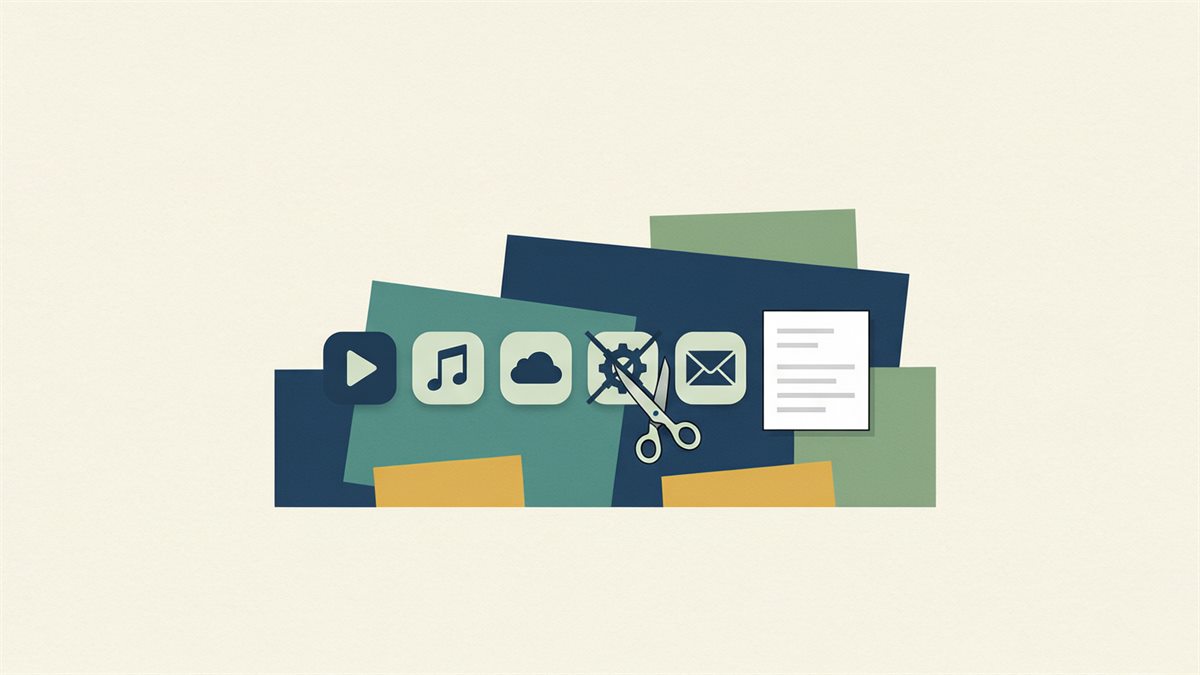
The average household pays for far more subscription services than it can name. Most of them are not decisions; they are residues — trials that rolled over, family plans nobody is on, apps that stopped being good.
The 20-minute sweep
Step 1: read the statements, not the apps
Apps only show you what you remember. Download 90 days of transactions from your main card and bank account, and search for the words: monthly, annual, plan, plus, pro, membership.
Step 2: build the three-column sheet
Columns: Use weekly / Use sometimes / Haven’t used in 60 days. Price next to each. The third column is where the money lives.
Step 3: apply the per-use test
Divide the annual cost by real uses last year. A $90 streaming service watched 12 times costs $7.50 a viewing — that is a movie ticket for the couch. Cancel or downgrade without ritual.
Negotiate or kill
For the keepers, one email usually works: “I’m reviewing recurring costs and considering pausing my plan for six months — do you have a returning-customer rate?” Annual plans at major services have discount levers; small niche apps often do not. Ten minutes, possibly $150 a year.
Stop the next leak at the source
- Never start a free trial on a card that auto-renews; use a virtual card or calendar reminder for day 6.
- Put every subscription on one card so the audit is always one statement deep.
- Twice a year (summer and new year), run the sweep again. It compounds faster than almost any investment tip.
What to keep anyway
The gym you attend twice a week at a cost-per-visit lower than a single drop-in. The software that saves you paid hours. The music you use daily. Subscriptions are not the enemy — unexamined ones are.
Related reads

Grocery Savings That Don't Feel Like Deprivation
The structural reasons the grocery bill balloons, a planning system that cuts waste without coupon-hunting, and the swaps that lower the bill while you still eat well.

How to Buy a Used Car Without Getting Burned
The research-before-you-look workflow, the inspection and test-drive checks that reveal the expensive problems, and the negotiation that starts from data, not vibes.

Private Browsing and Private Search: What Actually Protects You
The honest limits of incognito mode, why it does not hide you from your own network or the sites you visit, and the handful of real changes that do reduce tracking.