How to Buy a Used Car Without Getting Burned
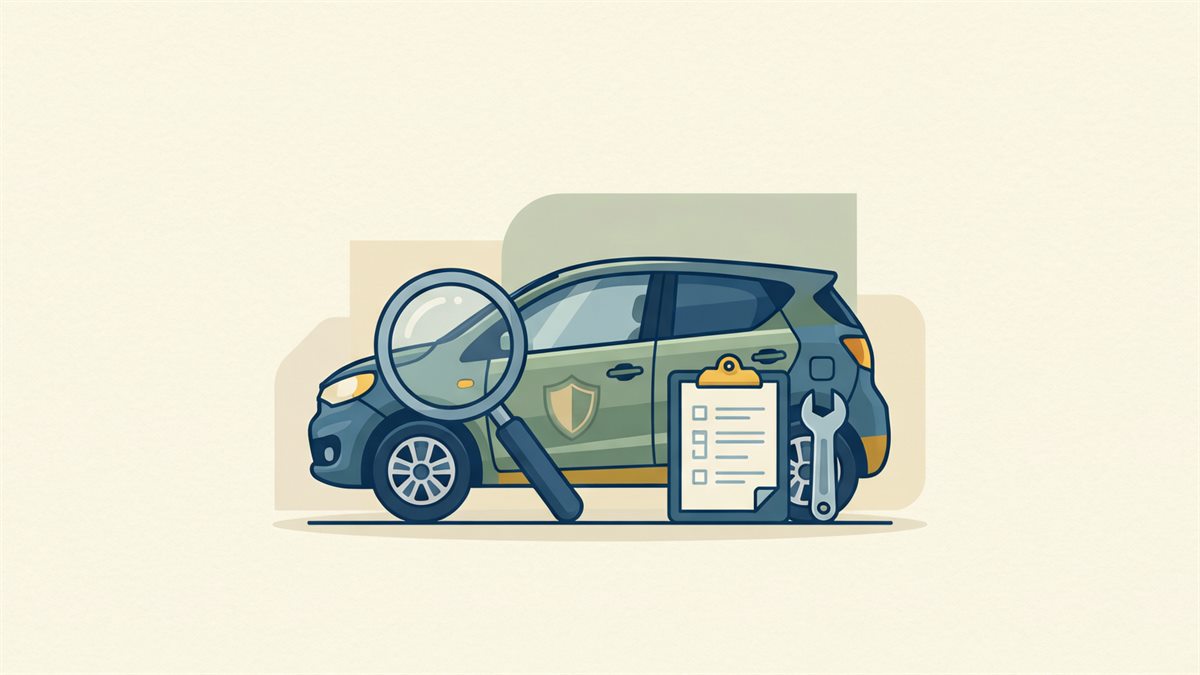
The people who get burned on a used car did the emotional part first — fell for a car, then checked the facts. Flip the order and you almost always win.
Set the budget before you look
A car’s real price is monthly cost, not sticker: payment, insurance, fuel, and a realistic repair reserve. Cap it in writing, and you avoid the “just a little more” slide that turns a good deal into a bad one.
Research the model, not the car
Choose by model-year reputation: known problems, parts cost, and how it ages. A common, well-supported model with a full service history beats a rarer “nicer” one with gaps, because you can predict what it will cost you.
Verify the specific car’s history
A vehicle-history report on the VIN reveals accidents, title issues and odometer flags. Read it with suspicion: a clean report is not a clean car, but a messy report ends most conversations early and saves you the trip.
Inspect in daylight, cold engine
- Walk the car for mismatched paint, uneven panel gaps and rust at the bottom of doors.
- Open the hood: no milky residue, no sweet smell, no fresh leaks; check oil level and coolant condition.
- Tires for wear that hints at alignment; brakes for grooves and thin pads.
- All electronics, A/C, windows, and the spare/tow kit present.
Cold engine on the test drive is how you catch a startup problem a warmed-up demo hides.
The test drive that reveals things
Highway speed, a hard brake from speed, a firm turn, and an acceleration from low gear. Note pulls, vibrations, grinding and any check-engine light that stays lit. Then insist on an independent inspection by your mechanic — a few hundred against a multi-thousand surprise is the best money in the whole process.
Negotiate from data, not emotion
Quote comparable listings, the inspection findings and the history report. Ask for out-the-door price with fees, not the monthly teaser that hides terms. A willing seller who resists your inspection is itself an answer.
Paperwork that protects you
Title, lien release, bill of sale and insurance in place before you drive away. If you are financing, read the loan terms for the true total, not the headline rate.
Related reads

Grocery Savings That Don't Feel Like Deprivation
The structural reasons the grocery bill balloons, a planning system that cuts waste without coupon-hunting, and the swaps that lower the bill while you still eat well.

Subscription Audit: How to Find and Cancel the Services Draining Your Account
A 20-minute audit that surfaces forgotten subscriptions, the negotiate-or-kill framework for the keepers, and the tools that do the sweep for you.

Private Browsing and Private Search: What Actually Protects You
The honest limits of incognito mode, why it does not hide you from your own network or the sites you visit, and the handful of real changes that do reduce tracking.