How to Spot the Most Common Scams (and Why Smart People Still Fall for Them)
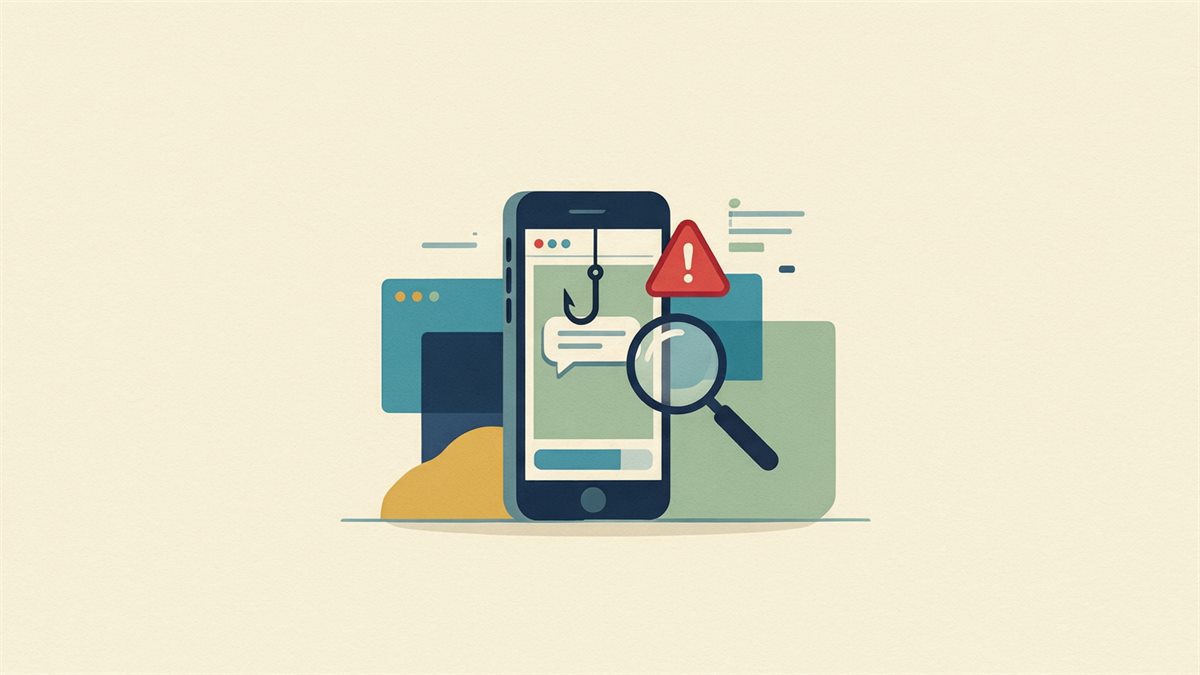
Intelligent, careful people get scammed every day. Not because they are naive but because a scam is engineered to hijack the exact reflexes that normally protect you. Learn the skeleton and every variant becomes visible.
Every scam shares the same three-part skeleton
- A manufactured sense of urgency. You must act now — the account locks, the payment fails, the relative is in trouble. Urgency exists to stop you from pausing.
- Isolation. You are pushed to a private channel (text, WhatsApp, a “secure” site) and away from anyone who might check the story.
- A payment method that cannot be reversed. Gift cards, wire, crypto, a peer-to-peer app. The method is chosen so the money is gone and untraceable.
See two of those three and treat it as a scam until proven otherwise.
The formats in heavy rotation
- Impersonation: the bank, the tax authority, the delivery service, the boss, a grandchild. The voice and logo are perfect; the story still has the skeleton.
- Urgent alert or fake invoice: a message that a payment failed or an account is at risk, begging you to click and fix it.
- Too-good prize, job or investment: money that arrives first “for shipping,” or a role that pays a signing bonus you have to fund.
- Romance and “pig butchering”: trust built slowly, then a small, “guaranteed” investment that grows on a fake screen until the real money is gone.
The one habit that breaks it
Hang up or stop typing, and re-initiate contact yourself using the official number from the back of your card or the real app — never the link or number in the message. Legitimate organizations never mind you verifying. Scammers panic when you call their official line, because it is a number they do not control.
The tell-tale requests
No real bank or government ever demands gift cards, wire or crypto to “secure” an account. No company needs your one-time codes. A payment deadline measured in minutes rather than days is pressure, not process.
Protect the people who will not read this
Set up alerts on shared accounts, agree a family code word for “this emergency is real,” and remove or shield real personal details from public profiles — they are how impersonators sound convincing.
If you did pay
Call your bank, the card issuer and the platform the same day; report to the relevant fraud authority. Fast reporting is the one lever that can still recover some funds.
Related reads
Private Browsing and Private Search: What Actually Protects You
The honest limits of incognito mode, why it does not hide you from your own network or the sites you visit, and the handful of real changes that do reduce tracking.
What to Do in the First Hour After an Account Is Breached
The timed checklist for the first sixty minutes after you suspect a hacked account — stop the damage, lock the attacker out, and set up the paper trail that protects you later.
A Password System That Actually Survives Real Life
The manager-first approach, how to handle the passwords you cannot change, and the two-step setup that stops most account takeovers without a whiteboard of secrets.