What to Do in the First Hour After an Account Is Breached
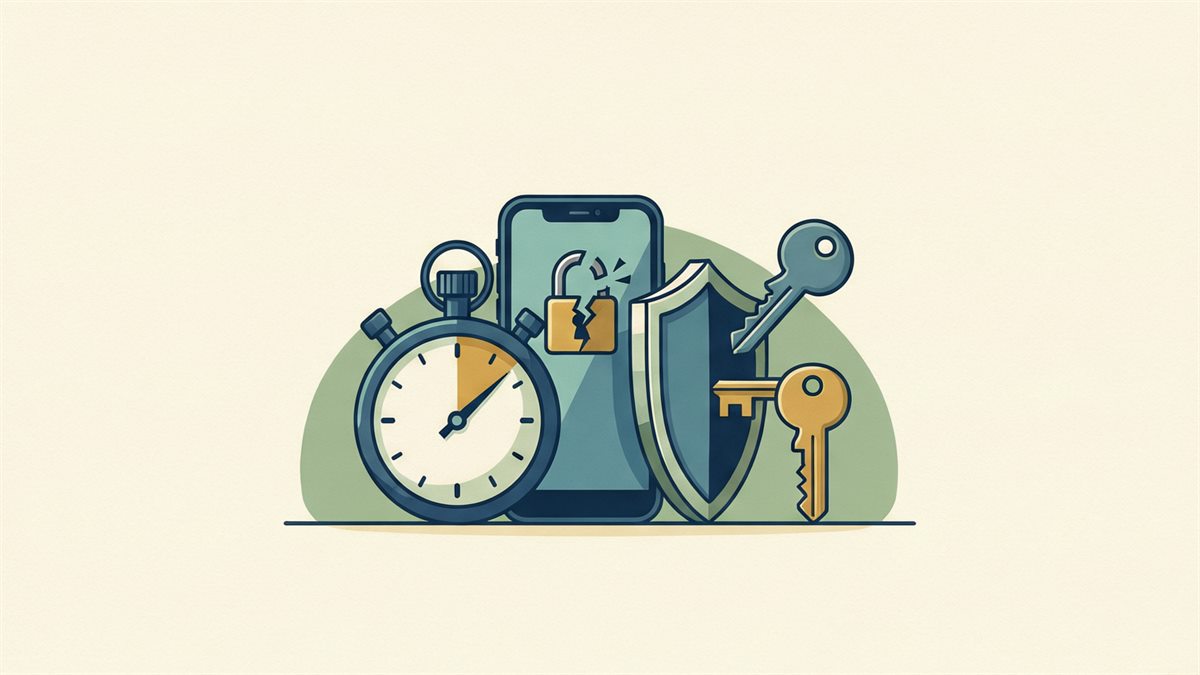
When an account goes wrong, the first hour decides how expensive the aftermath is. Work a checklist, not panic: stop the bleeding, lock the intruder out, then leave a trail.
Minutes 0-10: cut their access
- If you can log in, change the password to a new, unique one and sign out of all sessions/devices.
- If you cannot, use the recovery flow immediately; the password reset usually lands in your email, so secure email first if that is also compromised.
- Enable 2FA on the spot if you did not have it, so the new password is not enough on its own.
Minutes 10-25: stop the money and the spread
- Call or use the app to freeze the linked card or lock the bank account while you check.
- Look for and reverse any pending transfer you did not make; time-limit windows matter.
- Check the account’s connected services — app authorizations, alternate emails and forwarding rules the attacker may have added to keep coming back.
Minutes 25-45: contain the blast radius
A breached password is usually reused. Fix the other accounts that share the same email or password before they get hit too, and confirm your recovery phone/email on each important account has not been silently redirected to them.
Minutes 45-60: leave a trail
- Note exactly what you saw and when, with screenshots.
- Report to the bank/platform officially even for small amounts; the record starts the clock and supports dispute.
- For identity documents, consider a fraud alert or credit freeze with the bureaus, and set your free monitoring on.
The traps that turn one breach into many
- Resetting the email after the linked bank is still open lets them grab it again.
- Leaving the same reused password on your password manager defeats the fix.
- Panic-deleting messages destroys the evidence you need for disputes.
After the dust
Watch statements and credit for weeks, not just that day; delayed fraud is common. If it touched your workplace or an elder relative, say so early — the same leak is often spreading to them.
Related reads

Private Browsing and Private Search: What Actually Protects You
The honest limits of incognito mode, why it does not hide you from your own network or the sites you visit, and the handful of real changes that do reduce tracking.

How to Spot the Most Common Scams (and Why Smart People Still Fall for Them)
The shared skeleton underneath every successful scam, the specific cons circulating now, and the pause-and-verify habit that breaks the whole manipulation.
A Password System That Actually Survives Real Life
The manager-first approach, how to handle the passwords you cannot change, and the two-step setup that stops most account takeovers without a whiteboard of secrets.